
Death of a Vodka

Buffalo Trace Newsletter had an article last week with the headline, “Shakers Vodka Brand and Equipment to be Auctioned Online Through June 26.”

Infinite Spirits Inc., the makers of Shakers Vodka, filed for bankruptcy in early 2012 and now the assets are being liquidated. If you go to the auction website you learn that you can bid on the brand, the equipment and a host of other items. The bankruptcy filing shows the company has under $200,000 in assets and liabilities of over $2.3 million.

To me this represents a case study of a start up gone wrong. Got me wondering, what happened and why did it fail?

The story starts in 2003 when a group of entrepreneurs who had created Pete’s Wicked Ale decided to enter the spirits industry. They had sold Pete’s for $69 million to the Gambrinus Company in 1998 and I suppose wanted to parley the money into “the first high-end American vodka.” Their marketing concept was to replicate the elegant 1920s with frosted bottles shaped like Martini shakers.
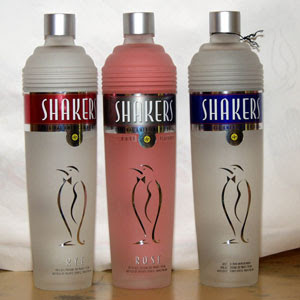
Shakers Vodka

From what I’ve read, in less than three months from intro, Shakers was number one in their home production state of Minnesota and quickly expanded to 19 other states. They were loved by vodka mavens, received a perfect 100 score from Wine Enthusiast and were Best of Show in the San Francisco Spirit Competition. At one point they marketed five products – wheat and rye based vodkas plus seasonal versions known as rose, violet and summer. The bankruptcy records indicate that they grew quickly from the launch and had annual sales over $1 million.

Leave A Comment

Jack From Brooklyn: The Saga Continues

Readers of Booze Business may recall that I began following this startup company a month ago (see April 27 posting) with the promise that I would periodically update their journey to brand development. (Their website is here.)

Their first product is Sorel (pronounced sore-el). It’s a drink that those from the Caribbean islands have been making for centuries and serve on festive occasions. Each island, and even families, has their own concoctions. Made from a variety of spices, herbs, horticulture and neutral grain spirit (NGS), JFB has overcome barriers and produced a market-ready product with a shelf price of $26.99. (Wait until you hear what retailers are saying.)

Since I first met the owners (Jack Summers, Tim Kealey and Alan Camlet) they’ve moved from planning and laying the ground work to implementation. Not, as it turns out, without some hiccups.

After months of work on perfecting the recipe to their satisfaction, the day arrives when 330 gallons of NGS appears at their facility. The “factory” is the former site of Red Hook Winery; the blending and bottling equipment is set and ready to go. Figuring out how to unload the alcohol is only part of the problem. The alcohol itself is the real concern.

Leave A Comment

Diageo Innovations

Why do large companies suck at new products?

I get this question all the time and the answers are really quite simple. At the top of the list, it’s easier to buy than build. Why invest the time and effort and divert attention from the existing portfolio just to dig a dry hole?

More important is the simple arithmetic throughout the food chain. “How am I going to make my bonus/meet management’s expectations/reach my sales quota – you fill in the rest – if I divert my attention to a start up brand?”

So, if you’re a major player, you have a number of options when it comes to new products and brands.

First, you can bite the bullet and say, as I did at the outset of this posting, why bother? Let someone else build it, I’ll make an offer they can’t refuse. Mainly Diageo, but also others, fit this mode.

If you’re aggressive and smart, chances are, you’re also attuned to the marketplace (consumers and trade) and know how to create demand or capitalize on an opportunity. Just look at White Rock, Proximo, Beam, Campari and others.

Leave A Comment