Casa Dragones: Tequila with a Pedigree

When passion and expertise meet, extraordinary tequila emerges

Bob Pittman, a tequila aficionado and Bertha González Nieves, a certified tequila expert and first woman to be named Maestra Tequilera by the Academia Mexicana de Catadores de Tequila, founded Casa Dragones in 2008. At $275 per bottle, it is both exceptional and aspirational.

As the story goes, Bob Pittman (founder of MTV, CEO of Clear Channel) has spent many summers in San Miguel de Allende, where he has a home, and over the years became a true tequila lover. In 2007, he and Bertha met at a party and talked about their mutual passion for tequila. Bob shared his dream of creating one. Bertha told him that she always wanted to become an entrepreneur. Together they set on a quest to deliver a true sipping tequila, smooth enough to sip, with no “wince factor.” A short time later, the two founded Casa Dragones.

Bob Pittman and Bertha Gonzalez Nieves

I don’t know Bob Pittman but I know Bertha González very well. She and I worked together when she was the Commercial Director North America for Jose Cuervo International and I was a consultant/advisor to the company. Actually, Bertha had a number of positions at JCI, under the leadership of Carlos Arana, including business development, new products and brand management. In short, she knows tequila and how to run a tequila enterprise.

While at JCI, I marveled at her ability to balance the whims of the Beckmann family (owners of Cuervo) and the arrogance of Diageo (distributors at the time). Clearly Bertha’s wit, intellect and charm came in handy.

Here’s an example – when asked in an interview a few years ago whether anyone ever mixed anything with Casa Dragones, Bertha’s reply was, “not in front of me.”

The Product
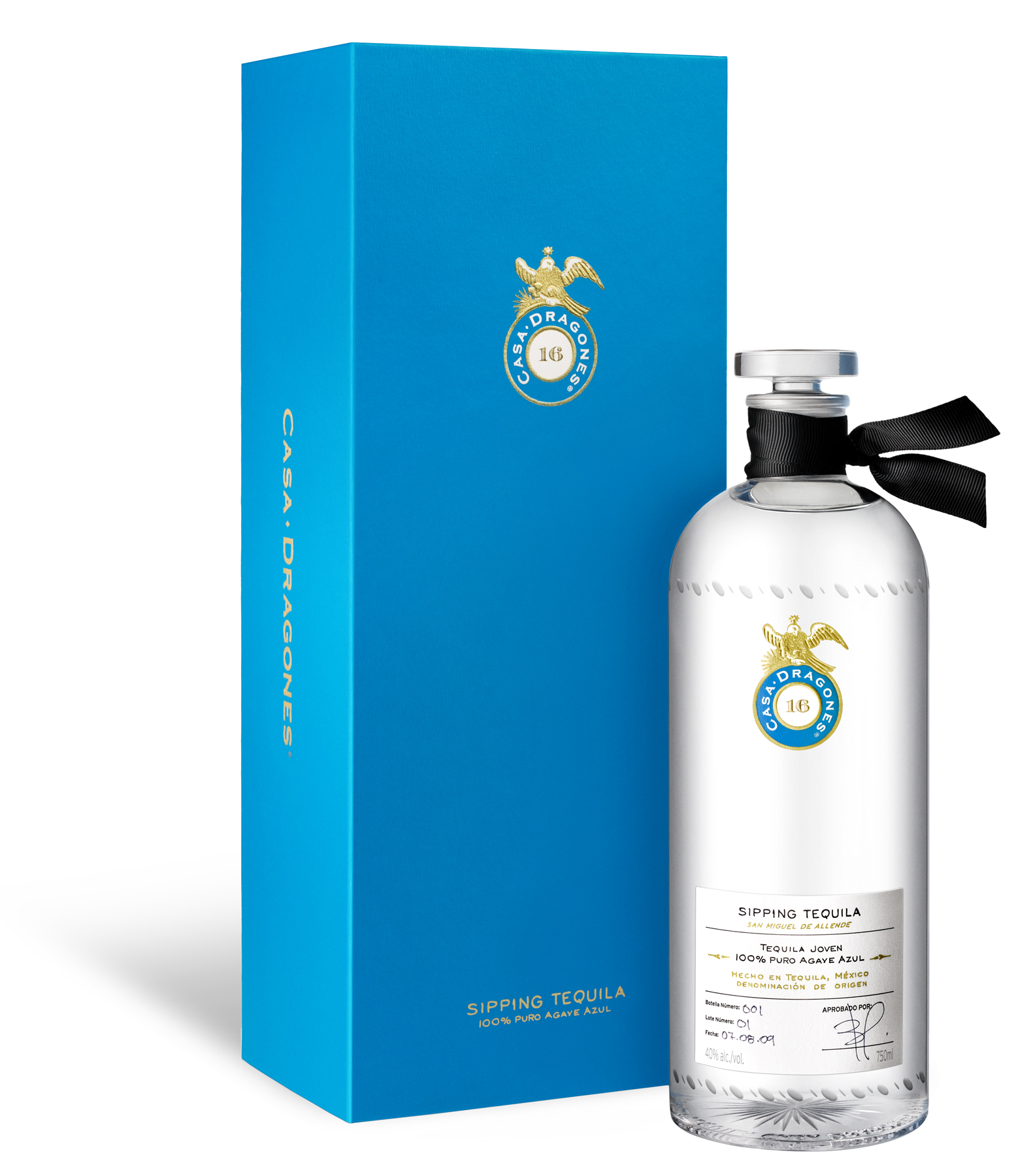
Casa Dragones Joven tequila

I guess the first thing everyone says about the original Casa Dragones tequila is the price tag. If you’re a particular type of spirits consumer, it’s worth it. It’s a 100% Blue Agave Joven Tequila, crafted in small batches. Joven tequila is a rare blend of silver tequila and extra aged tequila. It’s a style rarely used and it took both Bertha and a master distiller, coaxed out of retirement, over a year to perfect the blend.

So, it’s tequila to be sipped and savored and never, ever mixed. Trust me, it’s not like any other tequila you’ve ever tasted. But don’t take my word for it – Wine Enthusiast gave it a 96 and here is what Tequila.net had to say about it.

From the soil to the Agave plant to the craftsmanship to the bottle – this is not tequila to use in a margarita or even as a shot. Like the lady said, sip it.

But, if you must drink your tequila in a cocktail, they have recently introduced Casa Dragones Blanco, 100%Blue Agave silver
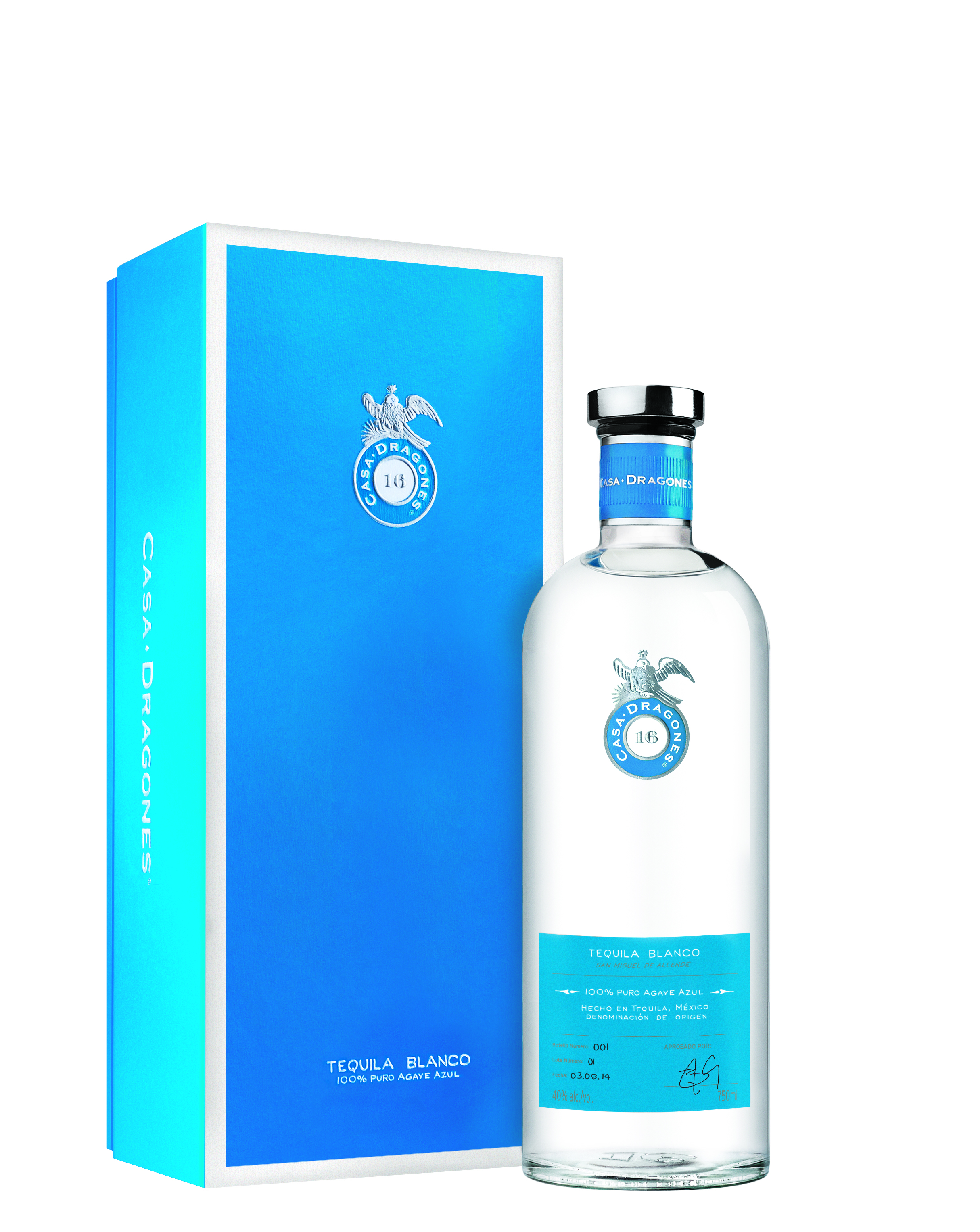
Casa Dragones Blanco

tequila designed to be served on the rocks or in signature craft cocktails developed by leading chefs and mixologists. Cocktails like San Miguel, Pink Panther and my favorite, Michelada Primaverde, described on the website as follows:

James Beard Award Winning Mixologist and Owner of New York City’s P.D.T (Please Don’t Tell), Jim Meehan has created the Michelada Primaverde exclusively with Tequila Casa Dragones Blanco. A mixture of dry vermouth and tomatillo juice is complemented perfectly by a splash of Victoria beer and a spicy, salted rim for a refreshing, summer cocktail.

The Blanco sells for $75 for a 750 ML. Feel better now?

It’s All About Mexico

As to the heritage, the elite cavalry that helped spark the Mexican independence movement inspires the name. La Casa Dragones, the original 17th century stables still standing on a street in San Miguel de Allende, is the spiritual home to the tequila.

What makes Casa Dragones especially unique is that it is thoroughly Mexican. A product that comes from the lowlands and the rich soil of the Trans-Mexican volcanic belt; a formula based on the merging of the traditional art of tequila making combined with an innovative process; a product designed for a consumer who is looking for quality and authenticity. It’s the real deal.

Bertha
Bertha

It’s also about Bertha Nieves González and her passion for tequila and innovation. So add her to the list of Booze Business’ Shaker’s and Stirrers – the new breed of alcohol industry entrepreneurs.

Just don’t let her catch you drinking the Joven product with a mixer.

Leave A Comment

Booze Business Launches Web Series “Shakers and Stirrers:” Debut Episode with Brenne Whisky’s Allison Patel

Shakers and Stirrers is a web series produced by the Booze Business blog in association with Warwick Street Productions and Illium Pictures.

Last year I blogged about Allison Patel, founder and owner of Brenne Single Malt Whisky from France in a posting called, From Ballet to Booze.

I found Allison’s story and brand so amazing that it inspired a video series that we are calling Shakers and Stirrers. This first episode can be found on our YouTube channel. (The episode is below or you can access it here.)

The intent of the series is to take a close look at the new breed of innovators and entrepreneurs who are changing the booze business. It delves into understanding their motivations, their vision and the obstacles they encounter.

We hope you enjoy this inaugural episode and please let me know what suggestions you might have for other profile candidates. Leave a message in the comments section or email me at arthur@boozebusiness.com

(If you are receiving this by email and can’t access the video below, click here.)


Don’t forget to subscribe to Booze Business on YouTube today.

Leave A Comment

Craft Debate Revisited: Consumers and Lawyers

460940579

Further thoughts on the craft subject

Last March, I wrote about Craft Confusion and this past week two interesting pieces of information have come to my attention.

The first was a webinar co-sponsored by the law firms of Locke Lord, experienced in defending consumer products companies in class action lawsuits and Lehrman Beverage Law, a law firm specializing in the alcohol industry labeling and regulation.

A day later Wine and Spirits Daily reported two surveys on the topic – among its readers (industry leaders) and among 2,000 consumers via a survey conducted by Nielsen.

Both of these have had an impact on my view of the topic.

The Lawyers

In a webinar entitled, Spirits Industry Under Fire, Tom Cunningham and Simon Fleischman of Locke Lord and Robert Lehrman of Lehrman Beverage Law discussed what the flood of class action lawsuits are about, why they are filed, who the targets are and why. (Here is the full discussion.)

My takeaway is as follows.

Blame the bottom feeding plaintiff attorneys. As you can see in the report from Locke Lord, the filing of one case creates a “herd mentality” with copycat suits following. It started with Skinny Girl, largely because the label used the phrase “all natural” and that ambiguity was enough to generate a lawsuit. From there it became an epidemic with more than a half dozen other suits including Tito’s, Templeton and others. Follow the money.

According to Locke Lord:

Plaintiffs’ class action attorneys by and large don’t care whether your product is truly “handmade” or made in “small batches” or is “craft.” They trade in what is essentially blackmail and terrorism. If they have a basis for alleging that your product is not what you claim it to be, even if you fervently believe that it is, they will sue you. Very few cases go to trial. Especially class action cases, which can easily kill a company. They have the power to put you out of business simply by making a claim. Therefore, you are likely to pay them to simply drop their claim, even if it’s bogus.

In other words these attorneys are hoping for a payday in a settlement that includes their fees. The best example of this shame is that they use “professional plaintiffs.” Thomas Zimmerman is a class action attorney in Chicago, often referred to as the city that is the home of “numerous notorious plaintiff’s’ class action attorneys.”

It turns out that Zimmerman represents Mario Aliano and Mr. Aliano’s restaurant, Due Fratelli. Aliano and his restaurant claim to have purchased a number of different brands of liquors – both for personal consumption as well as for resale in the restaurant. So the ambiguity or other issues regarding marketing and labeling was enough for these folks to sue Templeton, Whistlepig, Angel’s Envy and Tin Cup on behalf of Aliano and Due Fratelli.

Does this sound to you like consumers or retailers who need to seek redress because they were deceived?

According to Locke Lord,

“Mr. Aliano and his restaurants are what we call “serial plaintiffs;” they act as Zimmerman’s plaintiffs and class representatives in numerous class actions and generally receive an incentive award of a few thousand dollars in the resulting settlements. In terms of sheer number of cases, Zimmerman is the leader.”

Until the US adopts a legal system involving a “loser pays” rule, class action suits will hurt all businesses. That’s a rule in many countries whereby the party who loses in court pays the other party’s attorney’s fees. Read this recent article in the Wall Street Journal.

The other solution involves labeling

Robert Lehrman offers some explanations and sound advice.

First, the fact that the Alcohol and Tobacco Tax and Trade Bureau (TTB) approved the label at the Federal level is not a so-called “safe harbor.” The TTB has the tools necessary to control anything “misleading” but does not enforce it and “risks being a bystander and ceding much power to the courts and private litigants.”

My interpretation – the TTB needs to “man up” and either become an agency protecting consumers who drink alcohol products or fold the tent and let another government entity do it.

The other answers involve substantiation of claims, transparency, revisiting marketing and above all (in my view) certification. If I were running a small batch production brand I would want the American Distilling Institute or American Craft Spirits Association seal on my label. In that way I would expect to reassure my consumers and hopefully also use it as shark repellant.

The Consumer

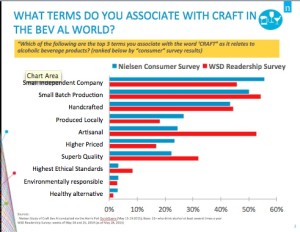
Wine and Spirits Daily asked consumers (through a Nielsen survey) “Which of the following are the top 3 terms you associate with the word ‘craft’ as it relates to alcohol beverage products?” This was the list of choices:

  • produced locally
  • handcrafted
  • environmentally responsible
  • small, independent company
  • artisanal
  • higher priced
  • small batch production
  • superb quality
  • healthy alternative
  • highest ethical standards

The top five consumer results: 1) small, independent company 2) small batch production 3) handcrafted 4) produced locally 5) artisanal.

The same question was posed to their readers (industry professionals) who were asked to predict what terms they thought consumers would use. The answers were fairly close – 1) small batch production 2) artisanal 3) small, independent company 4) handcrafted 5) superb quality.

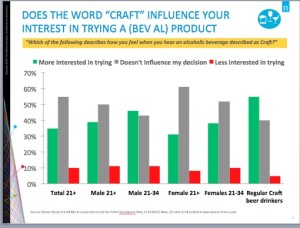
Even more interesting, Nielsen asked about the influence of craft. “Which of the following describes how you feel when you hear an alcoholic beverage described as Craft? More interested, less interested or doesn’t influence purchase decision.

A third of all consumers surveyed said hearing something described as craft does make them more interested. BUT, nearly 50% of millennial males (21 to 34 years old) felt the same way.

Putting these two pieces together…

The consumer is not stupid. The WSD survey tells me that some don’t care about craft alcohol products and, among those who do, they have a strong idea as to whether the use of the term is genuine, marketing hype, or even outright deception.

Above all, I don’t think we need to waste the time of the courts with serial lawsuits and bogus plaintiffs just so a few attorneys can get a payday.

Like I said, there are other solutions.

Leave A Comment