King Cocktail’s New Venture

Dale DeGoffDale DeGoff is a booze business entrepreneur and somewhat of a renaissance man. His latest endeavor moves him from behind the bar into the realm of a manufacturer. He’s been credited as the inventor of the Cosmo and, more important, is a really nice guy.

I first met Dale back in the day when he was tending bar at some great places, most notably the Rainbow Room. From that point on, he was at the forefront of what’s been described as the gourmet (or mixologist) approach toward cocktails, particularly the classics.

I suppose that’s why he’s known as King Cocktail, although I think of him as a booze business equivalent of Wolfgang Puck – a celebrity barman (but without an accent).

The man has a list of awards, including the James Beard Award for Wine & Spirits and has written a number of books about cocktails. But wait, there’s more – he’s a partner in the bar training program called Beverage Alcohol Resource (BAR, get it?) and founding president of The Museum of the American Cocktail. He also tours the country with a one-man show called “ON THE TOWN! A Tribute to Bars, Speaks, & Legendary Saloons.”

You’d think that would be enough to keep him busy, right? Wrong. Dale has recently launched his own brand of bitters called Dale DeGoff’s Pimento 2bottles-3inchlrAromatic Bitters. It’s designed to be very similar to Pimento Dram, an ingredient Dale often used, but is no longer available. He joined forces with Ted Breaux, of recent Absinthe fame, to produce it.

I think that before I go any further, we should talk about bitters and their use in cocktails. If you’re a booze maven, you probably know this but indulge me anyhow.

According to Wikipedia (my go to information resource), bitters is an alcohol beverage (DeGoff’s is 90 proof) flavored with a range of herbs and spices. He uses select botanicals and allspice, which is made from the pimento berry (not to be confused with the little red things stuffed in olives). Adding a little bit of bitters to cocktails and you won’t believe how it enhances the flavor and taste.

Check out these recipes from his website .

So, Mr. DeGoff jumps over the bar and joins the ranks of other bar personalities and companies making commercial bitters, including Gary Regan (Regan’s Orange Bitters No. 6), Angostura, Peychaud and others.

Welcome to the producer’s side of the bar, Dale.


Leave A Comment

Tuaca Liqueur – A Secret Worth Uncovering

V2.Tuaca_750_newbottleWhat happens when a great tasting product, but one that has been gathering dust on the shelf, tries to make it?

To tell the tale of this wannabe spirit, we need to start with its pronunciation. It’s Two-AH-Ka and it’s named for the two brothers-in-law that created it in 1938. Messrs. Tuoni and Canepa named it after themselves –TUACA, their combined names, get it?  The liqueur is said to have come from a recipe dating back to Lorenzo de Medici and the Italian Renaissance. So they say.

I first encountered the brand during my Seagram days and, despite efforts to make it happen, the brand languished as only an orphan brand could at that company. According to Sam Ellias, who worked on the brand at one point, they tried everything to make it a contender – changed the package, reduced the alcohol (to minimize the harshness) and worked hard at developing mixed drinks using Tuaca. (My favorite was the hot apple pie, consisting of Tuaca and hot apple cider.) Nothing helped the brand catch on. Throughout the 80’s, 90’s and into the 21st century, the brand, as they say, couldn’t get arrested.

Yet, there were pockets of strength including bartenders in different parts of the country. The poor little brand was kept a secret and hidden away. (Sob.)

Enter Brown Forman in 2004. The brand starts to grow a bit, but no real traction or spotlight to build a franchise among consumers. Still a stepchild.

I have a feeling that this is about to change.
Leave A Comment

Southern Comfort Turnaround

images

An advertising campaign that actually works?

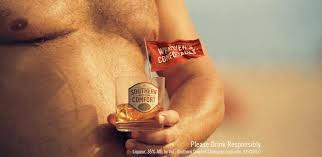
Wine and Spirits Daily reported recently that the Southern Comfort ad campaign seems to have paid off.

If you’re a regular reader of this blog, you won’t be surprised to learn that. (See Aug 4, 2012 and Dec 19, 2012.)

The brand’s net sales had been in decline for years but turned around in 2012. While 3% growth isn’t necessarily a big deal, for a brand that was hemorrhaging, it’s a road to recovery.

Judging from the emails and comments I received, I’m not surprised at all that the brand turned around.

Leave A Comment